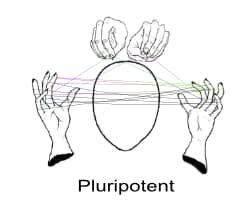
Let’s talk about the dangers of talking among mixed crowds.
This month we’ve asked the questions: Can predators identify us – people with past trauma – as fast food? Answer: yes. Can it occur from psychological clues – like attachment style and ability to emotionally regulate - that our behaviors reveal? Answer: mhm. And can they do it through gait – walking style? Answer: with such specificity that it’s fodder to never walk again.
So with all these physical signs already discussed, today we ask… what about verbal cues? What do our voices and word choices reveal about our pasts and potential prey-ability in the future?
This is the full version of the research episode. If you’re short on time and high on the market for the quick rundown, instead, check out the summary version.
Either way, thanks for being here, supporting the show, and learning beyond tiktok.
And now, we start with the paper:
Can perpetrators discern survivors from voice?
Elisa Monti, Wendy D’Andrea, Linda M. Carroll, Katherine Norton, Noga Miron, Olivia Resto, Kayla Toscano, John Williams, David Harris, Laurel Irenee and Anne Maass
European journal of psycho-traumatology
2024
Background: Research has shown that potential perpetrators and individuals high in psychopathic traits tend to body language cues to target a potential new victim. However, whether targeting occurs also by tending to vocal cues has not been examined. Thus, the role of voice in interpersonal violence merits investigation.
Objective: In two studies, we examined whether perpetrators could differentiate female speakers with and without sexual and physical assault histories (presented as rating the degree of ‘vulnerability’ to victimization).
Methods: Two samples of male listeners (sample one N = 105, sample two, N = 109) participated. Each sample rated 18 voices (9 survivors and 9 controls). Listener sample one heard spontaneous speech, and listener sample two heard the second sentence of a standardized passage. Listeners’ self-reported psychopathic traits and history of previous perpetration were measured.
Results: Across both samples, history of perpetration (but not psychopathy) predicted accuracy in distinguishing survivors of assault.
Conclusions: These findings highlight the potential role of voice in prevention and intervention. Gaining a further understanding of what voice cues are associated with accuracy in discerning survivors can also help us understand whether or not specialized voice training could have a role in self-defense practices.
As we all know, recovering from trauma is a complex process. As much effort as we put in, we also need corrective experiences – surprisingly different, positive events and improved circumstances – for our minds to heal. If we can see that trauma occurred but it isn’t mandatory to relive again and again – in fact, other possibilities exist - we can re-open ourselves and redesign our lives. Unfortunately, this doesn’t always happen or happen lastingly. Post-trauma, abuse, and neglect, we have a heightened chance of re-experiencing more of the same. This can convince a brain it was correct to be chronically fearful or stressed about the initial events, sealing us in a prison of the mind where only further evidence of forthcoming trauma is available. But the question is… how are we singled out for this potentially life-devastating, revictimization? As we’ve learned previously, nonverbal cues like walking style and conversational gesturing can indicate victims, dominance, and submissiveness.
For numerous victims of violence, recovering from the ordeal requires support, effort, and patience. Yet, after experiences of violence, victims are at an increased risk of being revictimized (Jaffe et al., 2019), raising the question of what drives repeated victimization. Previous research suggests potential perpetrators such as those with higher psychopathic traits can use cues like gait and body language to accurately assess a potential victim’s prior victimization history, often assessed by asking potential perpetrators for their rating of a person’s ‘vulnerability’ to a future attack (Wheeler et al., 2009).
Thus, revictimization can occur because those who intend to commit harm use subtle victim behavior to determine whom to attack, based in part upon the target’s history. To examine the phenomenon of revictimization, victim characteristics must be considered alongside studies of perpetrator characteristics and targeting tactics. So far, such considerations have primarily investigated the role of gait in revictimization (e.g. short strides, lateral, diagonal, or vertical shift movements, movement that activates only a part of the body, anti-synchronous movement, and lifted foot movements; Dinkins & Jones, 2021; Grayson & Stein, 1981; Wheeler et al., 2009) and occasionally perceptions of assertiveness and dominance/submission (Blaskovits & Bennell, 2019; Relyea & Ullman, 2015), but no study to date has assessed the role of voice.
So it seems that being targeted or retargeted occurs because predatory individuals can detect and interpret subtle, nuanced signs of wounding through observation, alone. It’s never our fault for being taken advantage of, but it is useful to know what behaviors we might want to become more conscious of. Now that we know the ways our bodies might be giving our deepest secrets away, how about the way we speak?
VOICE
Voice may be an especially potent signal of perceived weakness or strength, prior wounding or vitality, because it contains a wealth of data we can’t hide. It communicates our social standing and our internal condition – how we’ve been raised, among who, how healthy we are physically and psychologically. Emotionality is transferred tonally and identity is communicated through word choice. It also transports information further and more purely than observations of bodily movements or adornments. We can hear each other through walls and doors, and it’s difficult to alter the patterns because they originate so internally. There seem to be biological and evolutionary survival connections to the voice when we consider how it reveals our deepest needs, starting from our cries in infancy. Voice may be one of the most uncorrupted signals of our wellness, in multiple ways.
Voice can be a useful tool for studying perceived vulnerability in the context of previous victimization because voice carries social and emotional information (Elfenbein et al., 2021; Van Mersbergen et al., 2017). Voice is a fundamental instrument of communication that carries information at a distance significantly further than body language and facial expressions. Infants are born with the ability to recognize the mother from voice alone, underlining the fundamental role of voice in social bonding and survival (Sidtis & Zäske, 2021).
Additionally, it is possible that the same mechanisms that affect gait of assault survivors (Wheeler et al., 2009), may also affect their voice. Both gait and voice are informed by components of the nervous system, including autonomic and central factors. For example, autonomic activity indices – which can be impacted by trauma history (Liddell et al., 2016) – can influence both voice (Van Mersbergen et al., 2017) and gait (Zaback et al., 2021). Thus, this indicates that if brain regions involved in gait and in voice have overlaps, and these regions have been shown to be impacted by victimization (Monti & Sidtis, 2018), assault history could impact voice as well as gait. Similarly, depression has been linked both to differences in gait (Radovanović et al., 2014) and voice (Hashim et al., 2017) and has been shown to be influenced by adverse childhood experiences via subcortical structures (Frodl et al., 2017).
Taking the discussed literature into consideration, it is possible that if victimization influences gait, it could influence voice via various elements of nervous system-related pathways.
It’s also possible that, like walking style, voice is affected by trauma or assault. On the verbal front, it’s hypothesized that characteristics like tone, rate, and pitch could reveal emotional information. Slower talkers may be seen as sadder or more disassociated, therefore more likely to be less supported or weaker prey. But beyond mood or presence, the nervous system allows and influences both walking and speaking; if we’re trapped in a sympathetic (fight or flight) or parasympathetic (rest and digest) condition, it will be reflected in our output whether it be bodily or vocal, via physiology. This is related, in part, to the vagus nerve, which vocal nerves are connected to. So, in a very direct way, nervous system activation controls our ability to vocalize beyond what we can consciously control.
The potential link between previous victimization and voice could occur via several mechanisms. One possible mechanism is the relationship between voice and speaker characteristics (e.g. vocal cues and the emotional state of the speaker, for example sadness as associated as slower in rate and lower in pitch).
Another possible contributing factor is physiology, which influences voice (Giddens et al., 2013; Helou et al., 2018). Of note, physiology is known to be influenced by previous victimization history (Iffland et al., 2020). Trauma-related aspects of physiology and symptomatology have been previously associated with vulnerability to attack. For instance.. Higher dissociation has been associated with higher revictimization, due to its impact on emotion and information processing of one’s environment (Melkonian et al., 2017). Importantly, dissociation is often more linked with hypo-arousal (parasympathetic defenses of the autonomic nervous system) than hyper-arousal (sympathetic defenses of the nervous system) (Iffland et al., 2020). This can potentially impact one’s communication and voice via the vagus nerve, which laryngeal nerves extend from (Wong et al., 2017). For example, vagal tone has been linked to response in intrinsic laryngeal muscles (Helou et al., 2020). Additionally, evidence links voice fundamental frequency (acoustic correlate of pitch) to cortisol (stress hormone) levels (Schild et al., 2020).
Analyzing natural speech samples, Marmar et al. found that individuals with PTSD had flatter, slower, and more monotonous voices. Monti and colleagues (2017) found a relationship between childhood emotional neglect and measures of intensity (loudness) in singers. Similarly, Becker and colleagues (2022) found relationships between neglect and other forms of trauma in ‘laryngoresponders’ (individuals who sense their stress in the throat more than other parts of their body, such as the neck). Additionally, Monti and colleagues (2021) found a preliminary relationship between voice perturbation measures (irregularities in vocal sound wave) at trauma recall and self-reported childhood trauma. Participants’ levels of vocal perturbation after answering questions about their childhood trauma were predicted by the total trauma reported, accounting for baseline measurement of vocal perturbation. Together, this small but growing body of literature suggests that trauma experiences may be reflected in voice.
Some potential vocal indicators of prior PTSD include more monotoned voices, slower speech, and more irregularity in soundwave during trauma recall. Together, suggesting that voice might be a viable way to detect PTSD history for therapeutic or predatory motives. Once again, psychopaths are the textbook example; their surface-level charisma, ruthlessness, and lack of self-control earn them the reputation of being able to pick victims out of a crowd for preying ease. And so, this study studied the relationship between voice, prey, and predator with a focus on psychopaths and prior perpetration.
METHODS
1.2. Psychopathic traits and perpetration history: could listeners use cues in voice to potentially detect previous victims?
Scientists have pointed out to the importance of studying psychopathic traits as being continuous in nature, rather than diagnostically separating those with psychopathy from those without (Hare & Neumann, 2008). Psychopathy presents several characteristics, the most typical ones identified as superficial charm, cold-heartedness, lack of remorse, impulsivity, and poor behavioral control (Hare, 1991).
The term ‘social predator’ is based on the assumption that individuals with psychopathic traits and individuals with history of previous perpetration are skilled in exploiting the ‘weaknesses’ of those they encounter (Book et al., 2013). Thus, if ‘weaknesses’ related to prior victimization are detectable via gait cues of the person they are observing (Book et al., 2013) they may be easily detectable from voice, for the reasons previously explained.
1.3. The present study.
They used 50 cis women for voice recording in two ways. First, in their normal voice, when asked to spontaneously describe the way they got to the study. Secondly, by reading what’s called the Rainbow Passage – a selection used to diagnose phonological disorders. A sound meter and software for analyzing voice were used for measurement.
Initially, fifty cisgender females (25–40 years of age) were recruited for a study on ‘voice and emotions’ on Craigslist and via flyers at The New School University. After consent, participants engaged in recording and were instructed to speak normally. Their voices were recorded, speaking spontaneously for 30 s about the transportation taken to come to the laboratory and then reading aloud the standardized ‘Rainbow Passage’ (utilized in testing for phonological disorders; Fairbanks, 1960). A sound level meter was used to record voice measures, placed at 30 centimeters from the mouth of the speaker. The voice recordings were conducted using lingWAVES, a software for professional voice and speech analysis (Wevosys.com). After, self- reported measures were administered to the speakers to assess assault history.
2.2. Self-report measures administered to speakers for stimuli selection:
Participants then answered a survey to measure childhood trauma exposure. To be sure results weren’t skewed by misrepresentation, a minimization-denial subscale ensured underreporting wasn’t taking place. Speakers also were analyzed for assault history.
Childhood Trauma Exposure. The Childhood Trauma Questionnaire-Short Form (CTQ-SF) is a 28-item self-report scale that assesses abuse and neglect in childhood. It consists of different subscales assessing physical, emotional, and sexual abuse as well as physical and emotional neglect in childhood and adolescence (Bernstein et al., 2003). The CTQ scores can range from 25 to 125. A Minimization-Denial subscale is also included to assess participants’ tendency to minimize their exposure to trauma. The minimization/denial subscale was developed to account for underreporting of maltreatment (Bernstein et al., 2003). To obtain information on trauma history frequencies, we utilized Bernstein and colleagues’ (1996) constructed cut-off scores to distinguish exposure levels for each type of abuse or neglect. Utilizing these cut-offs, we used a dichotomous variable to provide data regarding how many participants had specific trauma category exposure. For our main statistical analyses, we use a summed total score of all CTQ items (excluding the minimization scale). For the purposes of selecting stimuli, we focused on items disclosing history of physical and sexual abuse.
Assault History. The Trauma History Questionnaire (Hooper et al., 2011) contains 28 yes-no items assessing different types of trauma (e.g. sexual assault, natural disasters) throughout the lifespan. Any ‘yes’ response is followed by questions concerning the frequency and age regarding the incident. The scenarios marked ‘yes’ are assigned 1 point, then points are summed. For the purposes of selecting stimuli, we focused on items disclosing history of physical and sexual assault.
2.3. Voice stimuli selection
From this group, ultimately 18 speakers were used for predator analysis; 9 with and 9 without sexual-physical violence in childhood. For each, a sample of 1) their spontaneous and 2) a selected sentence from the standardized vocalization recording were used for assessment in the experiment.
From the sample of speakers in the acquisition phase, 18 speakers were then chosen as voice stimuli to utilize in this study; 9 were ‘controls’ (meaning in this case no history of sexual-physical interpersonal violence reported) and 9 were survivors (chosen from high scores self-reported for childhood sexual abuse from CTQ, which often corresponded with higher scores on childhood physical abuse, adult sexual assault and physical assault from the THQ. For these 18 speakers (9 controls and 9 survivors), we selected a couple of sentences of spontaneous speech (transportation taken to come to the laboratory) and the second sentence of the Rainbow Passage: ‘The rainbow is a division of white light into many beautiful colors’ (Fairbanks, 1960). These two sets of stimuli were then utilized in the procedure of the study.
2.4. Procedure
Two groups of men were then recruited as the Listeners. One group heard the spontaneous recording, the other was exposed to the standardized Rainbow Passage selection. They were then asked to pretend to be sexual predators and choose “good victims” from the participants’ vocalizations.
Participants (two separate samples of male listeners) were recruited online through TurkPrime for a study on ‘voice and social dynamics’ and were asked to participate online to complete a listening task and answering self-report measures on Qualtrics. The two samples of listeners underwent the same procedure and heard voices of the same speakers, however, they rated two different sets of voice stimuli (one group heard spontaneous speech about the transportation taken to come to the lab, the other group heard the second phrase of the Rainbow Passage).
An adapted version of the instructions used by Wheeler and colleagues (2009) was utilized: ‘Your job is to determine vulnerability to victimization. For each recording, put yourself in the role of a sexual perpetrator, and decide on who would be a “good victim.” Voice stimuli order presentation was randomized.
2.5. Self-report measures administered to participants (Listeners)
These men were analyzed for their own childhood trauma and assault histories, as well as psychopathy and prior sexual assault perpetration experiences.
Participants in both samples responded to the same self-report questionnaires assessing trauma history listed above. However, both the Childhood Trauma Questionnaire and Trauma History Questionnaire for participants/ listeners were utilized in their entirety, not simply focusing on sexual and physical trauma. In addition, participants in both samples were also administered the following self-report measures:
Psychopathy. The Self-Report Psychopathy Scale: Version III (Paulhus et al., 2015) is composed of four subscales: Interpersonal Manipulation, Callous Affect, Erratic Lifestyle, and Antisocial Behavior (Williams et al., 2007).
Sexual Perpetration. The Sexual Experiences Scale- SFP (Koss et al., 2007; Koss & Gidycz, 1985) is a 10- item self-report measure assessing perpetration of unwanted sexual experiences since the age of 14. A series of yes–no questions assess whether specific types of sexual acts have been committed. Scoring categorizes respondents into different categories of perpetration (i.e. non-perpetrator, sexual contact, attempted coercion, coercion, attempted rape, rape). The strategies utilized in perpetration categories include tactics such as telling lies, showing criticism, taking advantage of a person when unconscious, threatening force or using force.
2.6. Listeners’ accuracy
Finally, listeners’ accuracy in assessing good victims, based on their prior victimization experiences, was determined.
Following Wheeler et al. (2009), accuracy in determining vulnerability to victimization was computed by categorizing each speakers’ rating of vulnerability (1–10) into correct or incorrect (0 or 1) assessments comparing it to the speaker’s actual history of victimization. For example, one accuracy point is assigned if the stimulus (the person seen or heard in the case of this study) is indeed a survivor and the vulnerability score given by the rater is between 6 and 10. Similarly, if the stimulus is a control and the rating score is between 1 and 5, one accuracy point is assigned. No accuracy point is assigned of rating in between 6 and 10 for a control/non-survivor or if rating is between 1 and 5 for a survivor.
Did the person pinpointed as easy prey by voice quality alone have an abusive or neglective past, based on the questionnaires each speaker took?
DISCUSSION
Yes. But surprisingly, psychopathic traits didn’t reflect efficacy in assessing “easy victims” from voice. However, prior sexual assault perpetration history did. “Perpetration was a significant predictor of accuracy. Psychopathy was not.” It’s possible that direct experience as an assault perpetrator caused exposure-based conditioning, so that they intimately knew the characteristics to look out for and how to spot them based on what had worked in the past.
Both listener samples showed that listeners’ history of sexual perpetration, but not psychopathic traits, predicted accuracy in determining ‘vulnerability to victimization’ from hearing the voices of the speakers. As predicted, perpetration was found to be a significant predictor of accuracy. Psychopathy was not. This indicates that voice also can be a carrier of cues of previous victimization. Why accuracy was predicted by listeners’ perpetration history and not their psychopathic traits warrants further future investigation. Possibly, one’s perpetration history can make them more skilled by direct exposure to the actual characteristics of those they engaged in unwanted contact with.
Of note, when listeners’ perpetration history was removed from analyses, childhood trauma contributed to accuracy as well.
This could be due to the fact that the vocal stimuli assigned to the two samples differed by consistency in content. The sample that heard spontaneous speech was exposed to less consistent but more ecologically valid stimuli (person talking about transportation taken). The sample that heard the second phrase of the Rainbow Passage was exposed to less ecologically valid but much more consistent stimuli. In this case specifically, because content was kept constant, listeners were probably even better able to focus on voice quality. In some way, their own victimization history and not just their history of victimizing another might have informed their ability to distinguish cues of past victimization in a speaker’s voice.
And what’s more, the abused or neglected past of the Listener played a role in their accuracy, as well. The childhood trauma of the potential predators correlated with higher scores in identifying vulnerable victims vocally. It’s hypothesized by the authors that the standardized Rainbow Passage, in particular, allowed possible perpetrators to key in on voice differences between Speakers for heightened precision… and also that their own emotional experience of prior victimization might be recognizable in another. Suggesting something like empathy is used for nefarious purposes in this case, as they identify a fellow victim and use the knowledge for malicious reasons.
Overall? This study tells us that prior assault perpetrators and victims are capable of detecting others with past victimization experiences, who might be good choices for future ones, simply through voice quality.
These findings overall suggest that when potential perpetrators make targeting decisions, they can utilize cues from voice alone.
Understanding exactly what voice cues were utilized by perpetrators in informing their ratings merits further investigation. As mentioned, voices are fundamental means of communication, sometimes even more effective than facial and body-language related factors (Sidtis & Zäske, 2021). Individuals with predatory tendencies seem to be more adept at prioritizing cues related to previous victimization in voice. These results bring to light the need to investigate the importance of voice in interpersonal violence and trauma, particularly how it may pertain to individuals who are seeking out and detecting others with history of exposure to violence.
But what they don’t tell us?
Is anything about the voice qualities that are used as indicators of vulnerability.
We heard earlier that “slow speed, monotony, and un-emotionality” might be implicated, as well as “perturbations in soundwave” – none of which is satisfying to me.
And, honestly, it turns out that the foundational studies which laid the groundwork for the one we just covered, which might shed more light on these characteristics… are again hard to get ahold of. We’re waiting on a library request I submitted to my institution to get access.
So I went digging, and pulled up this paper for more usable information in the meantime. Let’s keep it applicable, not just interesting.
The relationship between, language features and PTSD symptoms: a systematic review and meta-analysis
Zhenyuan Yu, Zixin Gu, Yonghong Shen* and Jingbo Lu
Frontiers in Psychology
2025
The connection between trauma and language usage has been studied. “Trauma thoughts,” for instance, as we call them round these parts, contain things like absolute language that can’t possibly be accurate across all situations or heavily emotionally-slanted words when more neutral options are available or more appropriate. Anecdotally, in this non-research observation, they often point towards trauma-exposed minds that haven’t fully healed yet. i.e. “nothing ever works out for me” (can’t be true) or “he ripped the pen out of my hand” (when he casually reached for it) throw flags on the field with others and serve as excellent points for working with your own psyche when you notice yourself saying them.
But in the literature, it’s been shown that negative words might suggest emotional upset and words relating to death might point towards traumatic memories. Words relating to cognitive processing and discovery, or suggestion of high mental load, might also relate to PTSD.
In recent years, an increasing number of studies have explored the relationship between language features and PTSD. These studies have found that the use of negative emotion words, cognitive words, death-related words, anxiety-related words, and pronouns differ between PTSD patients and healthy individuals, with the correlations between these language features and PTSD symptoms being more specific than other mental health disorders (26–37). For example, the frequent occurrence of negative emotion words may reflect an individual’s persistent emotional distress (34), while the use of death-related words may indicate the intense memory and emotional response to trauma (32). Additionally, some studies have found a higher proportion of cognitive vocabulary in the language of PTSD patients, suggesting that they may experience a higher cognitive load or confusion when processing trauma-related memories (28, 29).
An extra bit:
In psychological trauma research, "cognitive words" refer to linguistic markers indicating higher-level mental processing, such as causal ("because") and insightful ("realize") terms. Their usage shows how trauma survivors make sense of, integrate, or struggle with their experiences. [1, 2]
Researchers generally track these words to understand how survivors process distressing memories and build resilience: [1]
- Meaning-Making: Using causal and insightful words reflects an active, conscious effort to make sense of a trauma. This cognitive processing helps transform fragmented memories into a coherent narrative, which is heavily linked to post-traumatic growth and improved well-being.
- Expressive Writing Benefits: Therapeutic writing interventions encourage the use of cognitive words. When survivors use these words to reconstruct their thoughts, they are more successfully reorganizing their internal schemas and mitigating the emotional impact of the event. [1, 2, 3, 4, 5]
It’s worth noting that “cognitive processing words” might be solid indicators of the stage of trauma recovery. It seems that more advanced processing includes more phrases about cause-and-effect, meaning-making, and realization surrounding the traumatic events.
As such, it’s worth investigating the link between language and trauma history, for potential screening and treatment improvement.
Therefore, this meta-analysis aims to include all relevant studies, cover different dimensions of language features, and clarify whether language features can serve as reliable indicators for the rapid screening of post-traumatic stress disorder and improving the screening process for trauma-related disorders.
These authors did a meta-analysis of several already-conducted studies to make sense of them, together. And they found?
RESULTS
Language centering around death, negative feelings, anger, the body, and utilizing high word count were directly related to PTSD symptoms… with death and word count also correlating to intrusive PTSD symptoms. A finding that makes some intuitive sense, if you’ve ever been left dysfunctional and mentally disturbed before. Ending the misery or fear of doom can be chatty squatters in your mental space.
Our findings indicate that the use of death-related words, negative emotion words, anger-related words, body-related words, and word count is significantly positively correlated with PTSD symptoms. Additionally, the use of death-related words and word count is also associated with intrusive PTSD symptoms. No significant associations were observed between the use of words related to sadness, anger, anxiety, positive emotions, firstperson pronouns, sensory and cognitive-related words and PTSD symptoms.
Death is a common feature because of the nature of trauma, itself. Feelings of insecurity or trauma finality are common afterwards. However, this might not be as grave as one would assume; some research suggests that discussing death could be a sign of advanced trauma processing, as avoidance isn’t taking place.
Our meta-analysis of seven studies highlighted a positive correlation between the use of death-related words and PTSD symptoms. This correlation likely reflects the intrinsic link between PTSD and life-threatening experiences, with death-related language serving as a reflection of the trauma’s nature and severity. When describing trauma-related memories and feelings, individuals more frequently use death-related vocabulary, expressing intense concern and fear for their safety and questioning the nature of security (35, 53). This is also associated with intrusive symptoms. Contrary to Papini (31), who observed a negative correlation yet acknowledged death-related words as a fundamental expression of PTSD, our study’s findings suggest that for individuals on a path toward recovery, engaging with death-related vocabulary might be indicative of processing trauma rather than avoiding it.
Emotionally negative words and anger correlate with PTSD, as well, likely due to lack of emotional regulation options. Attempting to discuss traumatic experiences kicks up emotional distress, which is translated through word choice before it can be modified. Anger – a reflection of pain or danger – is also prevalent in language, perhaps due to working through traumatic material, hopefully not from wallowing in it.
The analysis further supports that the use of emotion words, especially those expressing negative emotions and anger, is significant positively correlated with PTSD symptoms… reflecting the prevalent emotional regulation challenges in PTSD sufferers and their attempts to articulate traumatic experiences and emotional turmoil (54, 55). Anger, in particular, may directly relate to the regulation difficulties (56, 57), often manifesting in responses of hostility and anger to traumatic recollections, rather than denoting specific PTSD symptom dimensions (55)…. individuals with chronic PTSD might be in the process of actively working through traumatic memories, rather than merely avoiding or suppressing negative emotions (61).
Interestingly, not all negative emotion words were indicative of PTSD symptoms, though. Sadness and anxiety were NOT predictably correlated – potentially because they’re not at all exclusive to PTSD. Positive word choice was also observed in those afflicted with traumatic stress disorder – potentially because participants were using this language for emotional regulation or reframing. So a chipper attitude may not signify a healthy and hopeful individual authentically.
In comparison, other emotion words such as sadness, anxiety, and positive emotions did not demonstrate associations in this study. which may stem from anxiety and sadness being general emotional states that are not limited to PTSD patients (62–64), and some PTSD individuals may use positive emotion regulation strategies to cope with anxiety and sadness (65). Therefore, the use of sadness, anxiety, and positive emotion words alone might not comprehensively capture the actual PTSD symptomatology.
Using many words to describe traumatic experiences or highly detailed ones might correlate with PTSD symptoms – especially intrusive ones - because the individual is attempting to convey complex emotions and observations. It’s not a time for brevity.
In examining the relationship between word count and PTSD symptoms, we found a positive correlation, suggesting that when describing traumatic experiences, individuals may use more words to express these intense and complex emotions (53). This level of detail may also be positively correlated with the severity of intrusive symptoms (66), which could explain the observed association between word count and both PTSD and intrusive symptoms.
And words relating to the body are also not to be spared. Discussion of bodily sensation is common, probably due to the increased sensitivity of the beholder. Hyperarousal of both the nervous system and brain regions responsible for physical sensation and emotional feelings are not uncommon, creating a – let’s say “vivid” – experience for the individual.
We also found a positive correlation between the use of body related words and the hyperarousal, intrusion, and avoidance symptoms of PTSD patients… revealing the particular sensitivity of PTSD individuals to bodily sensations. This sensitivity may stem from the sustained physiological activation during a state of hyperarousal or serve as a psychological avoidance mechanism, prompting individuals to more frequently cite content related to body status in their language expression (68). Furthermore, research in the neurobiology of PTSD has identified associations between PTSD and abnormal activity in brain regions involved in processing bodily sensations and emotions, such as the amygdala, anterior cingulate cortex, and temporo-parietal junction (69–72).
And what wasn’t found in the study?
A connection between self-centered pronouns and PTSD symptoms – something we can all breathe a sigh of relief about, as trauma is commonly thought to create a self-occupation in positive or negative ways. And cognitive processing words also weren’t found connected to PTSD symptomology – this is perhaps because subjects were asked to create a trauma narrative, which would include more time-locked observations than post-active analyses.
In our study, we did not find any associations with the use of first-person pronouns, whether singular or plural,
Additionally, no associations were observed between cognitive words and PTSD symptoms, intrusive symptoms, avoidance symptoms, or hyperarousal symptoms. It has also been suggested that the predominant feature in the narrative is perceptual details rather than cognitive process words, which are more closely associated with the severity of trauma symptoms. This is because individuals may struggle to understand the traumatic event and therefore rely on sensory details rather than causal and insight words to describe it (75).
So in conclusion?
In summary, the use of death-related words, negative emotion words, anger-related words, and body-related words, as well as a higher word count, can serve as reliable indicators for the rapid screening and assessment of PTSD… During treatment, monitoring changes in these language features may reflect treatment effectiveness.
Language cues like discussions of death, negative emotions, anger, and bodily sensation… especially executed through sizable word counts… could be verbal indicators of PTSD, which could be a signal to past perpetrators that we’re vulnerable to future attack. And this is even more true when combined with currently vaguely described vocal patterns like speaking slowly and exhibiting soundwave perturbations.
Findings we’ll hopefully be expanding upon next time! as those papers become available through my library and we continue discussing surprising physiological impacts of trauma!
Til we speak again, well…
Watch your speed, your tone, and your word choice. If, for no other reason than to determine your own degree of healing and to zero in on potentially unhealed thoughts.
Stay safe out there, not silent.
For the full research episode, hit that patreon.
For the short and sweet summary, you know where to go. The episode description.
Thanks for being here.
And I’ll see you in June.
Bye bye.