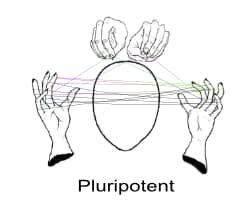
Today we move out of the “stereotypical” gender issues, entering the world of transgender and non-binary experiences.
Of which, I can’t speak!
So I’m going to keep my mouth shut while we hit on two papers heavily for the episode.
And I’d like to invite those in the LGBTQ community – quite heavily represented here – to share their thoughts and experiences in dating, to put together another episode or three by June.
Send em in the patreon DMs, or to traumatizedmotherfxckers (fuckers with an x, not a u) at gmail.com, or to my discord DMs, if you want to send a voice note. It would be a delight and an honor to hear from you and share your words.
And with that… let’s just get in here.
First, a paper that seems to summarize the commonly confounding experience of dating as a transgender or non-binary person:
Relationship experiences of transgender and non-binary adults: Exploring dating goals, relationship structures, minority stress, sexual fetishization, and relationship victimization
Jazmine Perez & Christopher A. Pepping
Let’s hop to the meat of the paper. The juicy goods.
Referring to a sample of Transgender and non-binary (TNB) people, they say:
Almost 70% of the sample reported having experienced difficulties finding a romantic partner because of their gender identity or expression at some point in their life, and almost a quarter within the past year.
The finding of no gender differences suggests that TNB individuals of all genders experience minority stress-related challenges when trying to form or maintain a romantic relationship. This is unsurprising given evidence that many heterosexual and cisgender individuals may exclude TNB people from their dating pool (Blair & Hoskin, Citation2019).
Further, a TNB person taking steps toward gender affirmation can have implications for partners and has been found to be a significant reason for relationship break-up (Marshall et al., Citation2020; Meier & Labuski, Citation2013).
In the present study, those who reported having difficulties finding a partner in the last 12 months due to their gender identity or expression were more likely to be currently single. At first glance, this finding differs somewhat from recent evidence that, among sexual minority individuals, experiences of discrimination tend to be higher among those who are partnered (Laming et al., Citation2023), likely because being in a same-gender relationship increases the visibility of one’s sexual orientation.
However, in the case of sexual minority individuals in same-gender relationships, the source of the discrimination is from others in society, whereas among TNB individuals, the sources of discrimination and rejection may additionally include prospective romantic partners, which appears to undermine relationship formation.
Which is the first place to stop for fascination.
So, they’re saying that LGB and maybe Q individuals face scorn from broader society. But their romantic partners are generally on the same page as they are – similarly sexual minorities – so that the dating experience is one of community, understanding, and acceptance.
But trans and non-binary individuals don’t necessarily date other trans or non-binary individuals. So their dating experience is similar to their larger social/societal experience. It’s not protected by mingling with like minds and lifestyles.
So for trans and non-binary individuals dating is another source of exposure to potential discrimination with the full crowd, rather than a filtered subset of safe individuals.
Making their dating experience stressful in a way that the rest of us probably can’t comprehend.
For instance, this extra challenge:
Almost two thirds of participants (63%) reported having felt fetishized at some point in their lives, which converges with both qualitative evidence (Riggs et al., Citation2018) and recent quantitative evidence whereby 65% of TNB individuals reported experiences of fetishization (Anzani et al., Citation2021).
Social media and other non-romantic interpersonal situations were the two most frequently endorsed situations (both 38%) where participants reported having experienced fetishization, followed by dating apps (30.1%). The latter converges with recent qualitative evidence that dating apps may be one context where fetishization is common (Griffiths & Armstrong, Citation2023).
In-person dates were the least likely situation for fetishization to occur, which could reflect that people tend to initially screen prospective partners online prior to proceeding with an in-person date. This was not directly assessed in the current study, but future research may benefit from examining whether and how TNB individuals screen prospective dates or partners for fetishizing or objectifying behaviors.
Relative to men and non-binary individuals, women reported more experiences of being seen as a sexual object, feeling objectified or fetishized, and having concerns that dating partners are only interested in them due to their transgender status. Women also reported greater concern that sexual partners were only interested in them due to their transgender status (significantly higher than non-binary individuals).
These findings suggest that, as with cisgender and heterosexual women (Fairchild & Rudman, Citation2008; Kozee et al., Citation2007), women are most likely to experience sexual objectification. Although TNB experiences of fetishization tend to be characterized by feelings of fear, disgust, and dehumanization, some do report positive (or a mix of negative and positive) experiences of fetishization (Anzani et al., Citation2021; Riggs et al., Citation2018; Tompkins, Citation2014).
So let’s say, whereas racial minorities may also experience fetishization, it’s less statistically likely compared to TNB people. In the case of racial fetishization, the person usually needs to have at least two aligned variables for the fetishization to occur; race and gender. In the case of gender fetishization, the person only needs to have the right gender identity.
Thus, the experience of fetishization is more prevalent.
And we could speculate wildly about why cisfemales receive more of it… but the authors state it outright. These findings suggest that, as with cisgender and heterosexual women (Fairchild & Rudman, Citation2008; Kozee et al., Citation2007), women are most likely to experience sexual objectification.
It’s a quality or condition of being a woman that you are more likely to be fetishized. Because men are (stereotypically) more sexually inclined and likely to form specialized interests? Perhaps.
Because women are simply more enticing sexual creatures? Perhaps.
And in the case of ciswomen… because straight men are (stereotypically) still too homophobic to act on their less hetero attractions? Perhaps.
The point is?
For my challenges in dating, I rarely, if ever, have felt fetishized.
It’s an added complication TNB individuals contend with, not knowing if their date likes them, or has a sexual proclivity for something ABOUT them, at the most surface-level.
And then, there’s the danger.
Violence in dating
..Meta-analytic evidence suggests that TNB people are 1.7 times more likely to have experienced IPV relative to cisgender individuals (Peitzmeier et al., Citation2020).
The higher rates of IPV among TNB populations extends to dating apps, with recent evidence highlighting that gender minority individuals experience more digital and online harassment and abuse relative to their cisgender peers (Powell et al., Citation2020).
Given TNB individuals often have unique concerns around disclosure and outness, particularly online (Fernandez & Birnholtz, Citation2019), IPV and victimization perpetrated against TNB people can take unique forms, including public exposure or other threats to safety. More research is needed to identify the extent to which these experiences occur in the context of TNB relationships.
To skip to some of their study results:
High rates of relationship victimization experiences were found; almost 52% and 44% reported having experienced verbal abuse or sexual coercion, respectively, and approximately 34% of the sample had experienced physical violence from a partner. Similarly, a sizeable number had experienced a rumor being spread online (27.5%) or had been exposed in some way without consent (20%) in the context of a romantic relationship.
There were no reliable gender differences in experiences of in-person or online victimization in the context of romantic relationships, suggesting that TNB individuals are at higher risk of victimization in relationships across all genders.
And that’s where we’ll end with this first article; an overview of the dangers unique or elevated in the TNB dating experience.
The experimental findings? We’ve… largely just covered the relevant ones.
Now let’s get into a deeper dive, including some research results from another study.
“They Were Talking to an Idea They Had About Me”: A Qualitative Analysis of Transgender Individuals’ Experiences Using Dating Apps
Daniel A. Griffiths and Heather L. Armstrong
They say:
Transgender individuals may face challenges when seeking romantic and sexual partners. External relationship stigma against those in cisgender/transgender relationships may lead to public concealment of the relationship, which has been significantly associated with lower relationship quality (Gamarel et al., 2014). Furthermore, rejection because of transgender status within both heterosexual and LGBTQ communities is high.
Within a sample of 958 Canadian adults, 96.7% of cisgender heterosexual men, 98.2% of cis-gender heterosexual women, 88.5% of cisgender gay men, and 71.2% of cisgender lesbian women stated “no” when asked if they would consider romantic or sexual relation-ships with transgender individuals of any gender identity, while cisgender bisexual and queer individuals were more likely to state that they would (55.2%; Blair & Hoskin, 2019).
Let’s pause.
So, while one might think, somewhat ignorantly, that LGBTQ means you’re onboard with anyone else LGBTQ… nah. Only slightly over half of bisexual and queer individuals say they would consider a romantic or sexual relationship with a transgender person.
And when it comes to the cis heteros or cis homos… MEN were more likely to say they’d consider it than women were. That’s somewhat surprising, considering our stereotypical assumption that men are – to put it clinically – “more weirdsy” about gender and sexuality minorities.
One might nod back to our prior article, though, about sexual fetishization. It was more prevalent for women. This could explain at least the slight bump in cis hetero males who might consider romance with transgendered individuals. (the 3.3% who said they would consider it.)
But that theory immediately is called into question when they say:
Additionally, individuals were more likely to favor transmasculine individuals over transfeminine people, perhaps through masculine privileging as feminine identities are often devalued within queer (defined as non-heterosexual and/or non-cisgender (Whittington, 2012)) communities (Blair & Hoskin, 2019; Hoskin, 2017).
So, actually, there’s a broad preference for transmasc over transfem which doesn’t align with the previously stated stats.
And in general, we might think about the lower societal status of women, no matter how they were born. But it appears that, as they say, women are especially disregarded when they aren’t cis hetero.
Altogether, further evidencing the many extra challenges that transgendered persons face when trying to find a partner. Only 1.8% (straight women) - 28.8% (homosexual women) of the cis population are willing to even consider this demographic romantically or sexually.
And, as usual, it appears to be a more dangerous world for the feminine.
The Current Study
Participants were recruited through online advertising on social media platforms (Twitter, Instagram, and Facebook)and several participants were recruited through snowball sam-pling via participant recommendation to contacts and friends. The advert specifically requested the participation of transgender and non-binary individuals 18 years and older who had used dating apps within the past 12 months.
Semi-structured interviews were conducted between February – July 2021 over Microsoft Teams or Zoom on a mutually agreed time and date. Fifteen transgender and non-binary individuals participated, including four transgender men (26.67%), two women (13.33%), three non-binary individuals (20.00%), and six participants who reported other trans and non-binary identities. The mean age was 22.67 years (SD = 3.09 years).Participants from any geographic location were included; how-ever, the majority (80%) were from the United Kingdom.
Results of Thematic Analysis
Six themes describing transgender and non-binary individuals’ dating app experiences were identified.
The first, connection to queer community, includes using dating apps to form platonic relationships with other sexual and gender minority (SGM)individuals, and to facilitate trans4trans (T4T) romantic and sexual relationships.
Second, dating apps allowed participants to express their gender identity through their bio, pictures, and disclosure of their transgender status. In addition, this theme encompasses how transgender individuals often felt “othered“ on dating apps due to being transgender.
Third, transgender individuals described experiences of fetishization, and the assumptions of sexual preferences made by cisgender users on dating apps.
Fourth, participants discussed the positive and negative impacts dating apps had on their sexual experiences and how they preferred to negotiate potential sex practices with others met through apps.
For the fifth theme, participants described features within apps that increased or decreased their feelings of safety.
In the sixth theme, participants expressed several recommendations to improve trans-gender individuals’ feelings of safety and overall experience using dating apps.
Let’s talk about expression of gender identity on dating apps.
Some participants expressed a preference for stating that they are transgender in their bio, with some noting that they wanted to claim space on dating apps as a transgender person:
I’d rather just tell people . . . like I’m a trans person and I like being a trans person, and I’m very happy as a trans person and I’m not quiet about it. (P3, transgender man, 22, UK)
Additionally, some participants who openly disclosed their transgender status also stated the gender-affirming medical interventions they had undergone to avoid answering additional questions or rejection from others. However, other participants chose not to disclose on their profile or when first speaking to others.
The context of the app and their target demographics mattered for some, primarily due to previous experiences of transphobia on certain apps:
I don’t have my gender on Hinge, because that’s where I get a lot of cis straight men pop up . . . But on like Her, I’m a bit more upfront of like, I like astrology, and I’m nonbinary, they/them, and things like that. (P13, agender, 26, UK)
Participants also expressed how disclosure of transgender status in their bio sometimes felt unsafe, as it often led to unwarranted scrutiny from other users, such as questioning their identity as a transgender person:
I got a lot of random guys on Grindr who thought they could message me and try to argue with me about if trans people are real.(P8, transmasc, 20, UK)
Which is an interesting thing I’ve heard reiterated elsewhere. In particular, in my experience, men can be convinced that transgendered people are “making it up” or their identity is tied to mental illness.
I’ve heard several times “I just don’t understand.”
Which apparently is a shortcut to “so that means it can’t be a real experience.”
Which obviously is untrue.
We don’t have to personally comprehend or draw connections to each other’s deepest thoughts and feelings and experiences for them to “be real.” A major obstacle for the transgender experience, in dating and otherwise.
A point with some crossover to this next one:
Using Dating Apps to Convey Gender Identity.
Dating apps allowed individuals to, for the most part, curate their profile in a way that expresses who they are, including their gender identity. However, some apps presented more restrictive options for gender identity categories and expressions, whilst others allowed users to be much more flexible.
Apps that participants reported as feeling more restrictive were often apps that catered more toward cisgender and heterosexual users; this led to some participants feeling as though they needed to perform cisnormativity and heteronormativity to get attention.
P8 expressed how they felt they should reach standards of cis normative, conventional ideals of masculinity in order to gain attention on dating apps:
With like cis men, especially if they’re like super tall, or like muscley, and like, particularly macho, I feel like there’s a certain expectation of me to live up to that, because I’m trans, and there-fore should be trying hard to be like, cisnormativity. (P8, transmasc,20, UK)
Here, P8 highlights the intersections between gender expression and sexuality as he was primarily attracted to other men and used the gay dating app Grindr. Cisgender masculine privileging within gay male-focused apps often reinforces the idea that individuals must adhere to certain physical traits, such as tallness or musculature, to be sexually desirable.
Individuals who do not fit within this particularly narrow view of masculinity and/or who choose to express (or suppress) their gender identity in different ways may experience negative effects, such as the pressure described by P8.
However, some apps, such as OkCupid, had more inclusive labels, which were preferred by participants as they allowed fora more authentic expression of gender. Additionally, participants reported feelings of gender euphoria when correctly gendered by others, which was often facilitated by being able to use the correct terminology for their identity and expression within their profile.
So gender expression is complicated. When you’re struggling to achieve an appearance that matches your inner world, it’s brutal that the outer world is so restrictive in what it will accept or engage with or consider valid.
As stated but two minutes ago, just because some of us don’t “get it” doesn’t mean it’s not real for others, and doesn’t mean they shouldn’t be allowed in our dating pool. To some extent, we can blame hetero culture and the protection offered by group-endorsed ignorance for this lack of inclusion.
But it’s surprising that even in queer spaces like Grindr, some heteronormativity is present and expected. For being an alt-community dating space, it’s ironic to me that the same societal norms pervade. Perhaps especially in what’s considered appropriate or desirable male appearance and behavior.
This, to me, sounds like another point of societal anti-femininity; the war against women and anything that resembles a woman.
“You can suck dick all you like, but look and act like a man while you do it.”
What a sentiment. Especially to be coming from an LGBQ community member.
Bringing us to this next finding from the study:
Feeling Othered on Dating Apps Due to Being Transgender.
Some participants highlighted their experiences of double dis-crimination on dating apps, in which they were rejected by both cisgender heterosexual people, as well as others from the LGBTQ+ community.
Despite the T and the +, there doesn’t seem to be as much rainbow love for transgendered individuals as we cissers probably assume.
And that sounds so lonely. Like such a punishment for self identity and expression. Like a transgendered experience is tantamount to any other personal characteristic.
It continues:
Additionally, some participants reported feeling disparaged by others stating that if they were cisgender, they would be interested in them, highlighting the idea that others view their transness as a flaw:
I’ve also had a few people saying things like, “If you were ‘blank’ then I would date you” . . . I feel a little hurt by this gender-conditional attraction. I can’t pinpoint or justify why but being told by straight girls that if I were still a guy, they’d be interested, it just feels a little wrong and hurtful. It’s even worse when it’s an “if you were cis . . . ” coming from a lesbian. (P10, transgender woman, 22, UK)
That’s the same as saying “if only you were taller, if only you were white or browner, if only you were from a different economic background”… things that people cannot help, as dealbreakers, presented directly to their faces.
I imagine that would be a helpless and hopeless position to be in.
“If only you weren’t your true self, if only you lived in discomfort your whole life, if only you were more like the rest of us at a shallow level…” then I might try to love you.
A lose-lose-lose-lose proposition.
With an obvious outcome:
.. many participants reported experiencing rejection based upon their transgender status which negatively affected their self-esteem.
Because their self is being rejected, and it’s not an easy “self” to be.
Participants also reported a sense of otherness when they compared their experiences with cis-gender peers, often citing a perceived ease of access to relationships and sexual encounters through dating apps.
This perceived disparity between cisgender and transgender users ‘experiences of dating apps led to one participant feeling as though it was more difficult to form platonic, romantic, or sexual connections with others.
Finally, participants often experienced discomfort when cis-gender users asked intrusive questions about their bodies or gender identity, most frequently regarding what genitalia they had. Participants also added that they felt overwhelmed and fatigued by having to educate others. Several participants additionally expressed that these intrusive questions were the catalyst for them to stop using these apps.
Overall, can we say that the transgender experience is an inequitable and unfair one? They have to work harder in every area of being. Take on enormous stress. Confront societal misunderstanding and bigotry. Just to exist in their true form.
And then they’re punished for that true form – all that extra effort - when seeking romance.
With the alternative options right in front of their noses. They can observe cis counterparts having different experiences. They can calculate, somewhat objectively, just what the difference is between cis and trans living. The cost, the weight, the danger much higher for them, in everything they do, than those with majority normative gender identities.
Including, once again, trying to have physical and emotional needs met in ways that many of us take for granted, like sexual encounters.
They say:
Fetishization on Dating Apps
Participants reported that cis-gender users would describe their fantasies about transgender individuals, often leading to them feeling objectified and depersonalized:
A lot of these assumptions a lot of people had about me, especially on Grindr, and the language they would use, the way they would talk to me, I just found, even when I was, even when I consider myself like a bottom, and like a submissive, I found that it didn’t fit who I was, I just felt like they weren’t talking to me. They were talking to an idea they had about me. (P3, transgender man, 22,UK)
Additionally, P2 expressed how she felt these individuals explored their fantasy around transgender people through pornography and then later projected these stereotyped ideas onto transgender individuals in-person or on dating apps:
I think people assume what they see on their Pornhub or on their Onlyfans is what they’re going to see in their local area. (P2, non-binary transgender woman, 21, UK)
Transgender individuals, it sounds like, are receptacles for the fantasies of others. Creating dynamics where they’re used as instruments to carry out specialized sexual desires without consent or control. And at the expense of being known or seen for their real persons.
Some participants reported feeling coerced into sexual acts (including sending explicit photos), or that they felt unable to say no, primarily with cisgender male partners due to systemic power dynamics:
He started undressing himself and I was like “OK, I don’t feel comfortable”. The thing is with me . . . I should have said no, but I couldn’t. (P2, non-binary transgender woman, 21, UK)
Sexual activities that caused feelings of gender dysphoria were also reported to impact how transgender individuals negatively engaged with sex. For example, one participant expressed discomfort around activities that involved her genitalia, and the impact this had on her psychologically afterward.
Transgender participants reported that they often expressed boundaries about touching specific body parts or what terms to use to help reduce gender dysphoria during sexual encounters:
There’s a lot I’m uncomfortable with, like telling them like not to touch my chest, or like, grab certain places, that kind of thing . . .It’s just like, these are the things you must absolutely not do, but we can like figure the rest of it out later.” (P8, transmasc, 20, UK)
Additionally, some participants expressed that when other individuals specifically asked for their boundaries about their body, it made them feel more at ease with that partner as they knew the partner was taking steps to ensure they were comfortable. Negotiation of sexual positions (such as bottom, top, versa-tile) and activities (such as kinks or behavior) was also an important aspect in getting to know others and assess compatibility before a new sexual encounter.
Hey! Just like every other person on earth, transgendered people want to be informed and interested in sexual activities before the sexual activities are suddenly taking place around and within them! What do you know?!
We all have hangups about activities and areas of our bodies. Why would it be any different for them?
Answer: because if they’re being fetishized, they’re not being considered through the lens of theory of mind. They’re being used as objects without preferences.
It goes without saying that “no” still means “no” in cases of non-normative gender presentations and identities.
But this is one reason why dating comes with heightened risk for these humans.
So, is there a way to reduce the potential harm?
Feelings of Increased Safety on Apps
Participants reported that cis-gender app users who expressed allyship to the transgender community through signifiers, such as having the pronouns in their bio, helped to indicate who may accept and understand transgender identity, leading to increased feelings of safety.
Apps that are solely advertised to LGBTQ+ people or have features designed specifically to increase the comfort of LGBTQ+ individuals were also preferred. P15 also cited OkCupid as feeling safer as they were able to stop straight individuals from viewing their profile.
Participants also frequently reported that matching systems on apps such as Tinder or Bumble made them feel safer as they could choose which individuals to interact with and vet out potentially dangerous users.
Finally, participants reported that blocking and reporting users who caused discomfort was important to control their experience and they felt that this makes dating apps feel safer than in person social situations, such as bars or clubs.
Feelings of Decreased Safety on Apps
Participants reported that they felt particularly unsafe with apps such as Grindr that utilize precise geolocation functions, as this increased fears of stalkers or transphobic assault. These fears of transphobic persecution and assault often stopped participants from meeting with individuals met on dating apps. Additionally, one participant recounted his experience of having his address leaked because he refused to answer intrusive questions about his transgender identity:
I had this person on Bumble message me . . . it was all the classic shit like “what bits do you have?” . . . and I was like, “hey, like, I’m not really comfortable answering these, so, would you mind not talking to me about it?” . . . . he just sent me back my address, and it wasn’t my address, because I had just moved to the apartment that I’m in now, but it was my family’s address . . . I was scared out of my fucking mind (P1, transgender man, 20, US).
Horrifying! As a born and persisted woman, if that ever happened to me, I would also be “scared out of my fucking mind.” If I hadn’t recently moved apartments already, I probably would be within two weeks of that message. During which I would have been sleeping on a friend’s couch.
No one should have to worry about being physically, emotionally, or socially harmed for the sin of trying to date. Again, OBVIOUSLY. A word that we’re saying a great deal this episode.
So what are some suggestions for increasing app safety, straight from the mouth of babes?
Recommendations for Dating App Developers:
Filtering features
Participants reported that it was important for dating apps to add additional gender markers and implement them into the app’s algorithm so that users are not required to place themselves into a binary gender option that does not reflect their identity.
Sure, not being forced to present yourself inauthentically would be a great start for reducing potential risk. If others don’t feel “deceived” or you aren’t being placed in front of the eyes of people who are statedly uninterested, the likelihood of a shameful egoic explosion at your expense is going to go down.
Many participants across gender identity groups also expressed that their negative experiences on dating apps were due to cisgender men; thus, they felt that the ability to filter out cisgender or heterosexual users was preferable to allow them to interact only with other LGBTQ+ individuals.
You know… almost all of us would feel safer if we could filter out cisgender men… to make an internet-culture joke out of it.
But let’s take this excerpt and think about how it connects with the research we covered on men feeling awkward and ashamed on dating apps, and consider that the negative societal opinion on transgendered individuals has probably elevated both of those emotional outcomes. We learned this elicits aggressive reactions on their part as a form of self (and ego) protection, and – obviously – proportionally unsafe feelings on the other end of the aggression.
Are cis men ready to interact with trans individuals?
No, speaking for a vast population, they are probably not.
And the lack of support for those who feel targeted isn’t assisting them with feeling safer on the apps.
They say:
Clarity of Blocking and Reporting Procedures.
Participants reported that they often received no outcome from reports of discriminatory and abusive behavior they received from other users:
I usually report/block. I don’t know if ever anything is done about it. (P2, non-binary transgender woman, 21, UK)
This often left participants feeling that their concerns were not taken seriously or that there were no repercussions for the perpetrator; thus, some form of communication about the outcome was preferable.
To report someone and hear nothing back implies that you may be judged as “incorrect” or simply ignored. Another source for feelings of isolation and disregard for the underdog, while the dominant force in society – cis men – seemingly gets off scot-free.
Another reason to feel, generally, across all aspects of life, less safe and less valid in the eyes of others. Like the chosen receptacles for abuse. Like nowhere is protective, because the creators of the spaces, themselves, are biased.
Furthermore, participants expressed the need for increased clarity on why they have been banned from apps in the past. This often occurred as they received a message stating they broke the terms of service but were uninformed about what they had done. Participants often speculated that dating apps banned transgender accounts en masse due to many individuals reporting being banned for seemingly no reasons simultaneously:
Either there are people employed by Tinder, who are actively making what are ultimately transphobic decisions against their users, or there are enough users of Tinder unchecked that just feel that they can report with impunity, anybody that doesn’t meet their standards of what they think somebody should look like, and both of those are extremely bad. (P15, non-binary, 31, UK)
How can the dating apps feel safe, when there are reasons to wonder if the people who create the dating apps dislike you?
They can’t.
Leaving transgendered persons without even the comforts or protections that many of us can vaguely count on when we’re trying to date safer.
Creating a uniquely dangerous, devaluing, and dehumanizing experience for the alt-gendered trying to find love.
And now, let’s jump into a long closing statement. The authors’:
Conclusion
Participants reported that dating apps were an important way to form connections with others, especially those in the trans community. However, fears of safety, particularly when dis-closing transgender status, often reduced the desire to engage with dating apps. Participants also reported experiencing dis-comfort due to cisgender users’ interpretations and fetishization of their bodies and sexual preferences.
Dating apps allow individuals to curate their profile to reflect themselves, including profile photos, biography, and gender marker. However, many dating apps have historically or currently excluded diverse gender identity options and filters (MacLeod & McArthur, 2019). The decision to include just male and female categories on dating apps may reflect Butler’s(1990) concept of universal rationality – individuals are presented with choices deemed socially acceptable by both dating developers and their primarily heterosexual and cisgender userbase.
However, this lack of inclusion limits accessibility for transgender and non-binary individuals, especially those who do not conform to binary conceptualizations of gender identity.
These Western socio-cultural scripts of gender dictate how society and technology mutually influence one another. Socio-cultural norms of gender define our expectations of how men and women should behave, look, and interact with one another, especially within heterosexual romantic and sexual relationships (Albright & Carter, 2019). Developers utilize universal rationality to impose socio-cultural norms of gender onto app affordances, and thus affect how users interpret, acknowledge, and interact with gendered features on apps(Comunello et al., 2020; Parisi & Comunello, 2020).
However, transgender individuals’ mere existence challenges pervasive cissexist norms – the unconscious and automatic belief that all individuals identify with the gender assigned to them at birth and that this is normal (McGeorgeet al., 2021).
Online spaces may allow those who are not out to express their gender and/or sexual minority status to receive social support and validation of their identity (Selkie et al., 2020). However, transgender individuals have reported feeling that their gender was not respected, both by the app itself and other users (Callander et al., 2019). Open disclosure of transgender status may create tension between the desire to present one’s identity authentically and possible experiences of fetishization and risks to safety.
The fetishization of transgender individuals may be defined as the “sexual investment in transness as an overvalued sexual object rather than holistic individual” (Anzani et al., 2021,p. 2). This may include the sexualized focus on a transgender individual’s identity or physical anatomy from predominantly cisgender individuals. Among a sample of 466 transgender individuals, 64.2% reported being fetishized in the past, with 53.2% of these experiences occurring on dating apps (Anzaniet al., 2021).
Gender differences were noted, such that trans-masculine individuals were often sought by cisgender, heterosexual identified men who may view transgender men with vaginas as a covert way to have sexual relationships with men and still claim their heterosexuality (Anzani et al., 2021).
While many participants in this sample reported feelings of disgust, particularly when they felt sexually objectified, others felt positive and sexually desired when being fetishized (Anzaniet al., 2021).
Literature on the effects of objectification in sexual minority individuals has highlighted associations with negative self-esteem and body image (Tiggemann et al., 2007), and psychological distress such as anxiety, depression, and general discomfort (Serpe et al., 2020).
Transgender individuals may experience specific challenges and advantages to their safety on dating apps.
Open disclosure on dating app profiles may be a double-edged sword –allowing an individual to present authentically whilst also opening the door to targeted transphobic comments and harassment (Scheim et al., 2019). Powell et al. (2018)reported that gender diverse individuals reported significantly more online harassment compared to cisgender men and women.
For example, 63.3% of transgender individuals in this sample had ever been threatened with physical harm, as compared to 10.0% of cisgender women and 23.3% of cisgender men. Additionally, 56.7% of transgender individuals reported digital sexual harassment and 46.7% reported receiving unwanted sexual requests.
(luckily)
…Most apps provide mechanisms to increase an individual’s safety. For example, blocking and reporting is widely used on social media and dating apps to revoke an individual’s access to someone’s profile and restrict their means of communication, particularly when an individual has perpetrated online harassment (Jhaver et al., 2018). Verification signifiers, often represented with a checkmark by the user’s profile to show a staff member has verified their identity, may also heighten feelings of safety (Sobieraj &Humphreys, 2021).
However, these systems may provide challenges for transgender individuals if they do not conform to dating app staff’s ideas of “appropriate” gender expression and gender identity, or if the user’s name on social media plat-forms, such as Facebook, does not align with their name on the dating app (Albury et al., 2021).
And I think that about summarizes it.
If you have no or highly limited allies, how do you feel safe in a world that’s trained to be against you?
You don’t.
Which complicates and pressurizes every social area of life.
But dating, sex, and romance – the most intimate spaces – where folks feel the most vulnerable and the most judged – are especially dense minefields with strong possibility of rejection, objectification, abuse, coercion, and violence.
Leaving us to say… Poor “whatever gender you identify with” when it comes to dating in dystopia.
… But ya know what? For once, let’s end on a high note.
Back to our first article:
Relationship experiences of transgender and non-binary adults: Exploring dating goals, relationship structures, minority stress, sexual fetishization, and relationship victimization
Jazmine Perez & Christopher A. Pepping
It is important to note, however, that although a high proportion of participants reported having lifetime difficulties finding a partner, more than 50% of participants were currently in a relationship and, of these, most (74.7%) were satisfied in these relationships.
Thus, we can say it appears that it’s hard to get into a relationship – 70% say they’ve had challenges due to gender expression or identity - but once the right match is found, the experience is largely content – 75% say they’re satisfied.
And isn’t that nice to hear? It’s hard to imagine 75% of cisgender or binary individuals are satisfied in their relationships.
So while the search is difficult, the result is worth it. Trans and non-binary individuals, I would say, broadly, have a stronger sense of self or more self-insight than cisviduals. Otherwise they wouldn’t take the difficult path of expressing such a controversial identity.
So, dropping the gendered complications, it makes sense that they would have a harder time fitting with another individual. A big personality or strongly developed self is more complicated to match up with compared to a people-pleasing, stay under the radar, basic individual, who is more likely to express their default gender identity to avoid rocking the boat.
To step out of line and accept the societal and social challenges being trans or non-binary is brave, and to me, suggests that the person is highly self-aware and self-authentic.
When they find someone who fits that solid identity well, it works. And probably suggests the other person also has a strong, well-developed, sense of self. Which will keep the relationship working for longer than the alternative.
Just a nice point to end on.
The effort and the risk aren’t rewardless interpersonally.
But immense bravery is required for 1) being transgendered and 2) opening oneself up to close, often rejection-filled, relationships in order to find one’s corresponding puzzle piece if you are.
Suggesting, to me, that most of us? Could really use to learn a thing or ten from this “taking the hardest path possible, in the name of self-love, if not other-love,” population.
And with that…
Ya know, I think we’ve already wrapped.
The transgender experience is a unique dating challenge – and one might say psychological torture device.
From the lit we’ve learned they face rejection from the normative, cis hetero, and LGBQ communities. Fetishization is a confounding factor of objectification and depersonalization. Dating apps don’t unanimously provide gender descriptors that accurately reflect the individual’s identity. Filtering on the apps can help to avoid dangers – largely, cis men. But also provide too much information, such as location tracking, which can amplify risk. Blocking on apps can be a protective measure, but there are questionable outcomes such as hearing nothing after reporting an aggressive user or being kicked off the platform oneself, without explanation.
So while IRL dating comes with heightened risks… the online options aren’t a foolproof way to circumvent the issues, either.
Creating a rock and a hard place for folks just looking for love, like the rest of us.
With the good news being (?) that although 70% of transgender individuals report having difficulty in dating… once they’re in a relationship, a reported 75% say they’re satisfied.
Making one wonder if all the careful selection, trials and tribulations, and perseverance despite discomfort leads to profitable returns on investment – something we impatient members of all genders could learn from.
And with that… remember, however you identify (but especially those who can represent sexual and gender minority experiences) to share your reflections on dating, to put together our next DnD episodes.
Send em in the patreon DMs, or to traumatizedmotherfxckers (fuckers with an x, not a u) at gmail.com, or to my discord DMs, if you want to send a voice note. We’d love to restart the crowd-sourced episode variety and even more so, to hear from you.
As we keep safely, self-expressively, and determinedly….
Dating. In. Dystopia.
However that looks for you.